Veneer Supplier in Bangalore
Last updated: October 2026
Reviewed by Ankit Bansal, Co-Founder, EvoSpace
Our Veneer Range
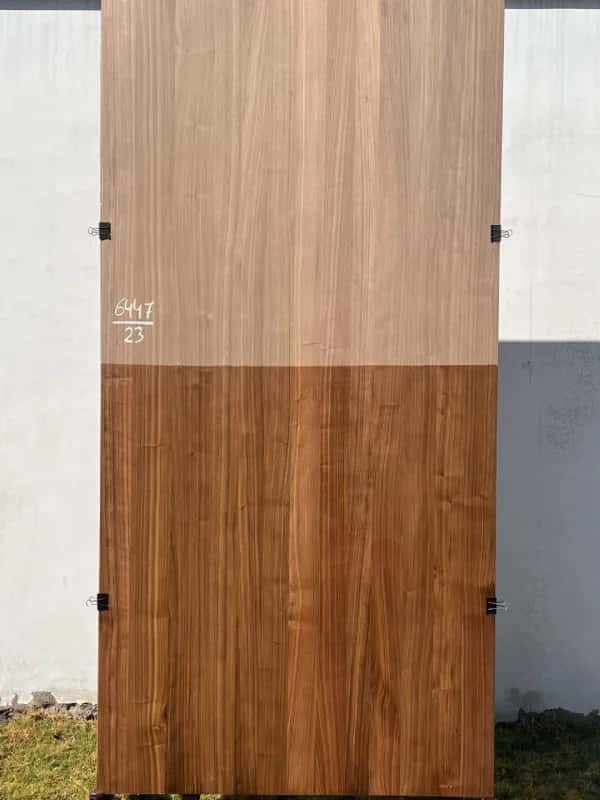
Key properties of wood veneer
- Thickness: typically under 3 mm, so it is always bonded to a substrate such as plywood or MDF.
- Grain: natural, so no two sheets match exactly. For a large wall, ask for sheets from the same batch.
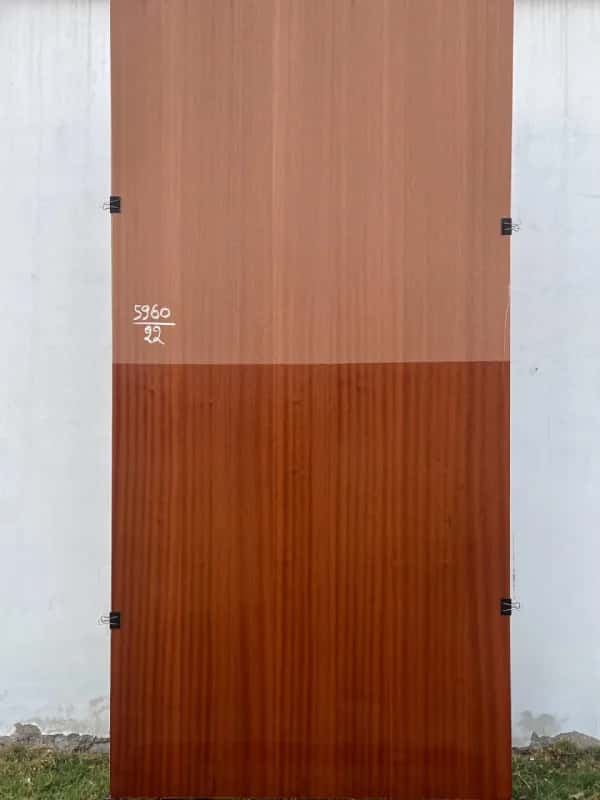
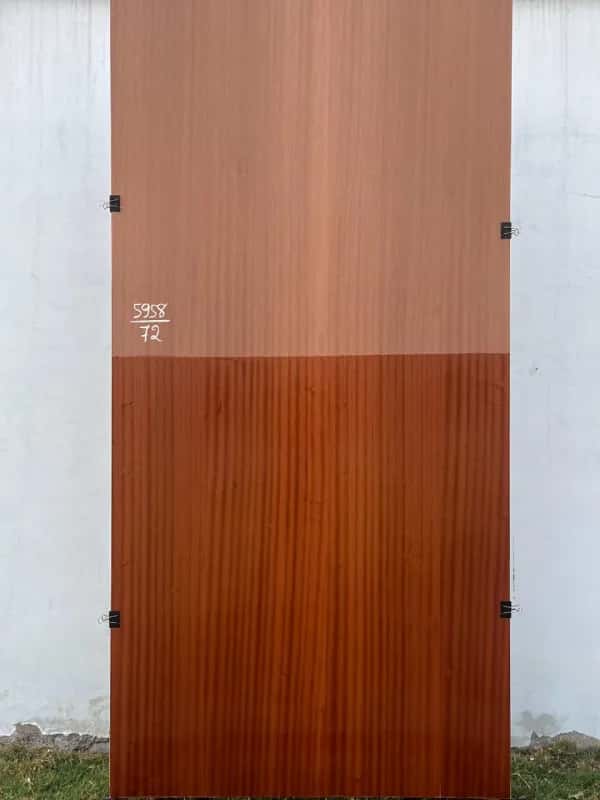
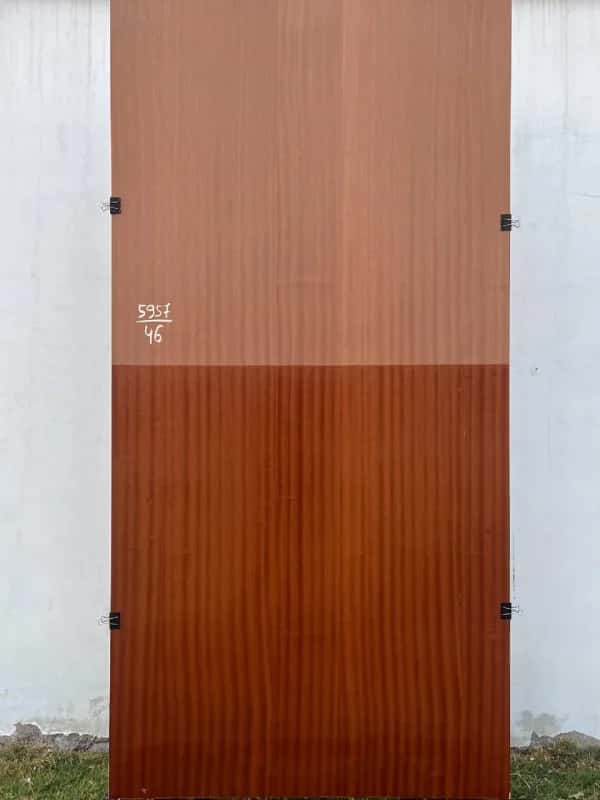
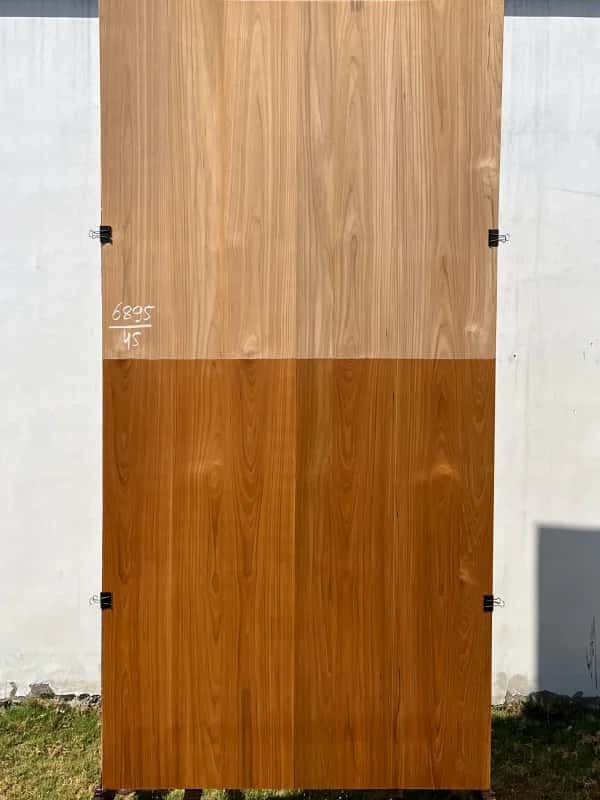
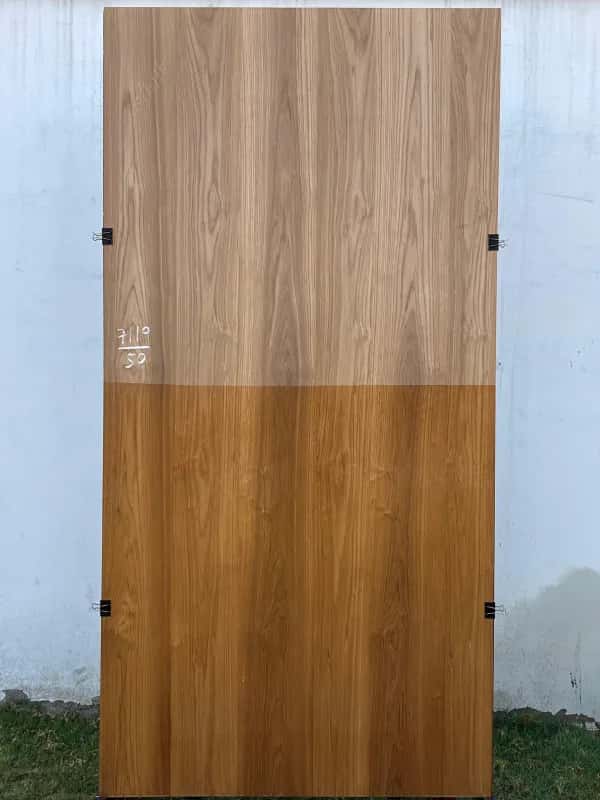
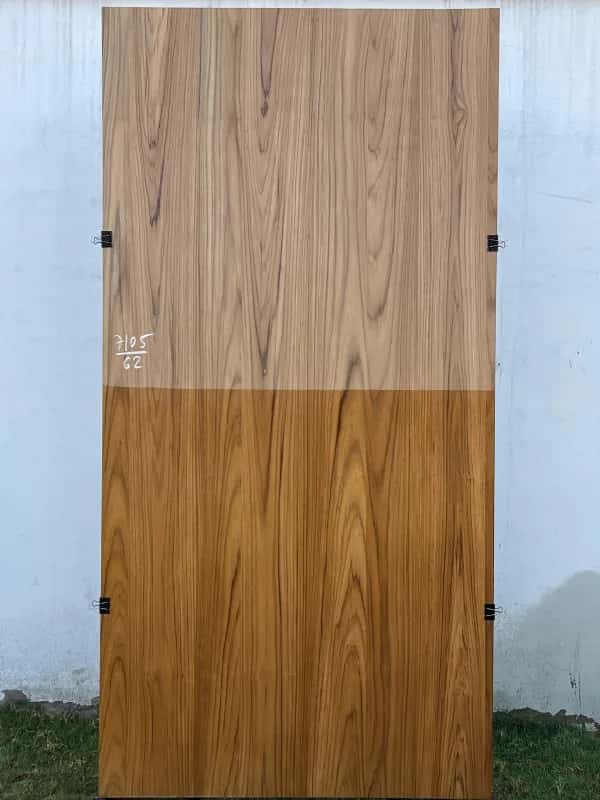
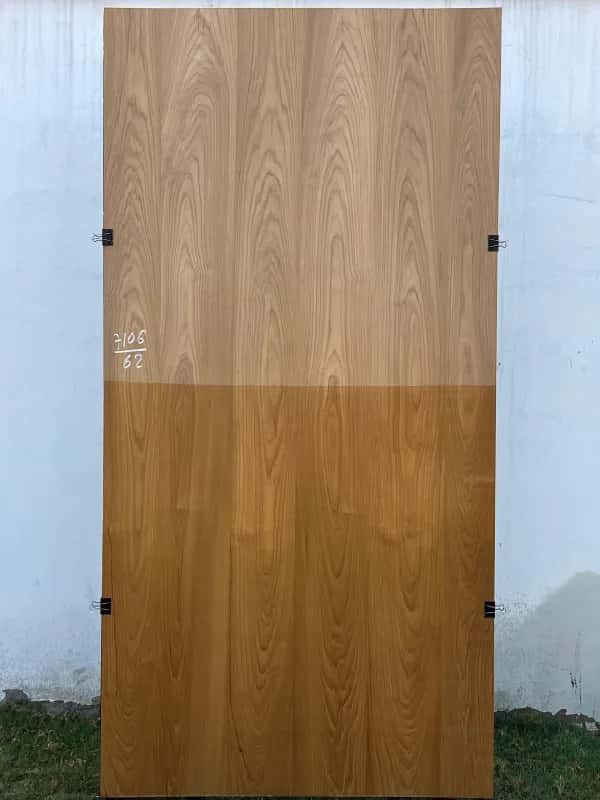
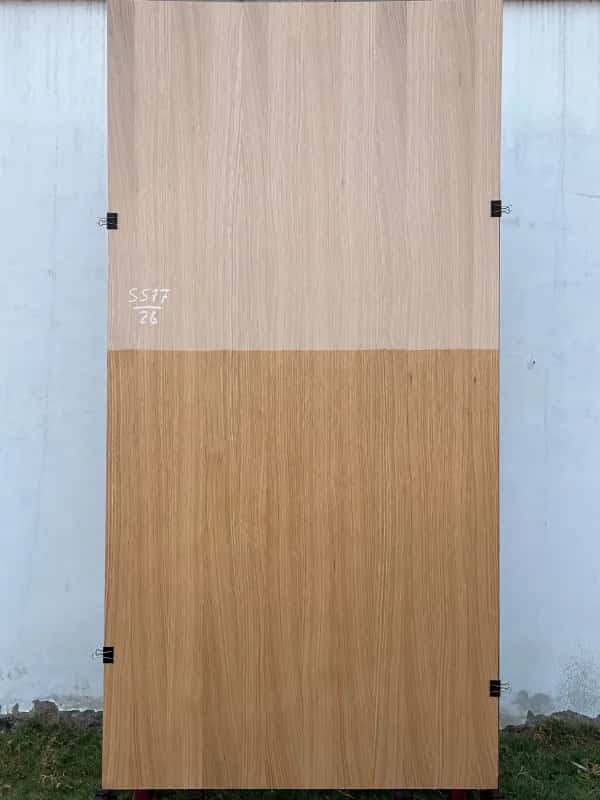
- Finish: it takes stain and a clear PU or melamine polish. The tone deepens once it is finished.
- Cut: sliced, quarter and rift cuts give different grain patterns. Ask which cut a sheet is.
- Where it is used: wall panelling, wardrobe and door shutters, TV units and headboards.
What to confirm before you order
Sheet size, thickness, cut and backing change from one veneer to the next. We show the sheets at the showroom, so you can check these in person:
- Sheet size and thickness
- Cut: sliced, quarter or rift
- Backing: raw or backed
- Price: on request, based on species and quantity
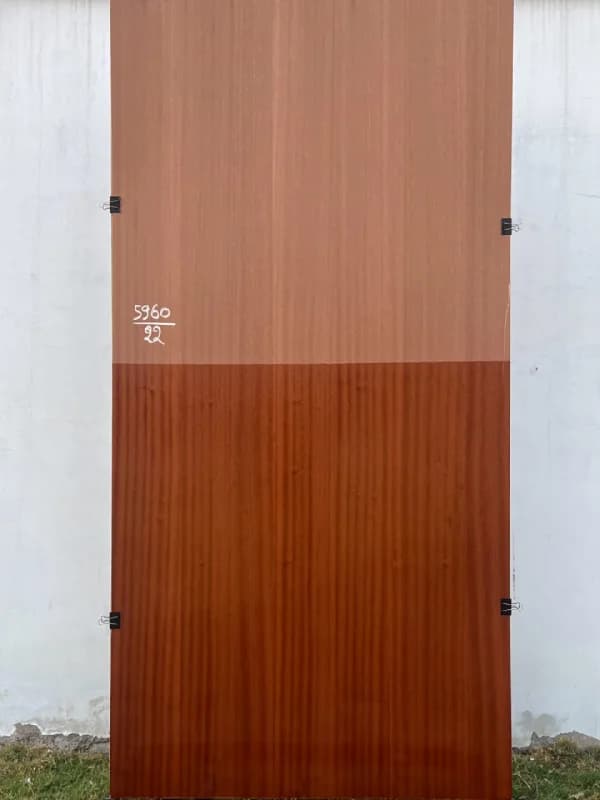
Sapeli Veneer
Sapeli is a reddish-brown wood with a fine, striped grain. As veneer it gives doors, panels and wardrobes a warm, even tone.
Sapeli veneer: colour, grain and uses
Teak Veneer
Teak veneer is golden to medium brown with a straight or gently wavy grain. It is a common choice for main doors, panelling and wardrobe shutters.
Teak veneer: colour, grain and uses
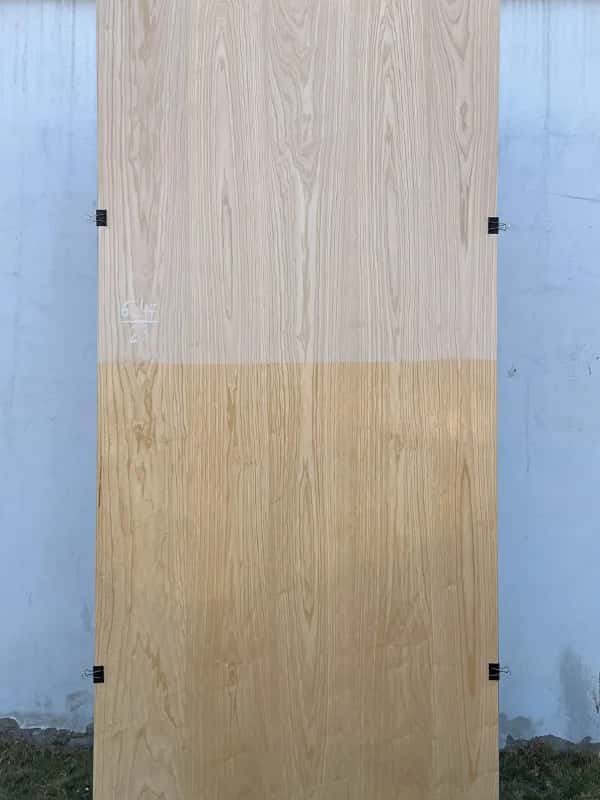
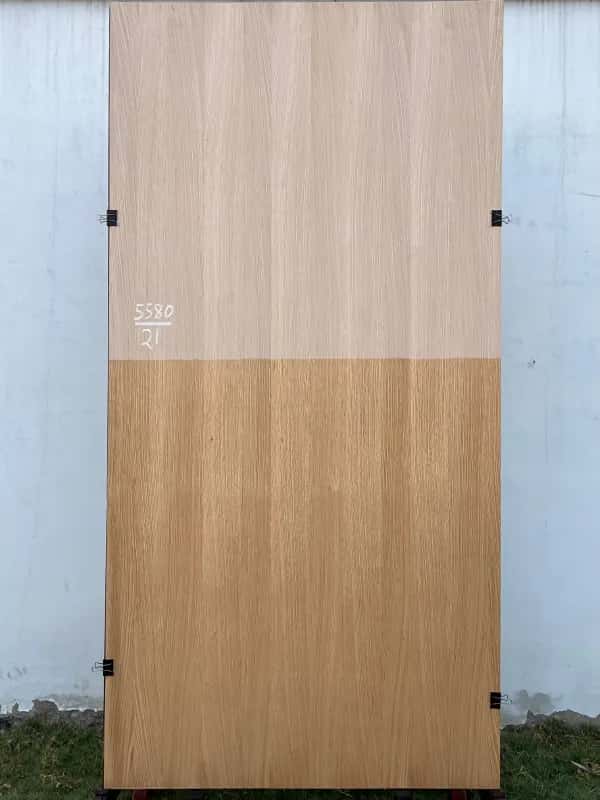
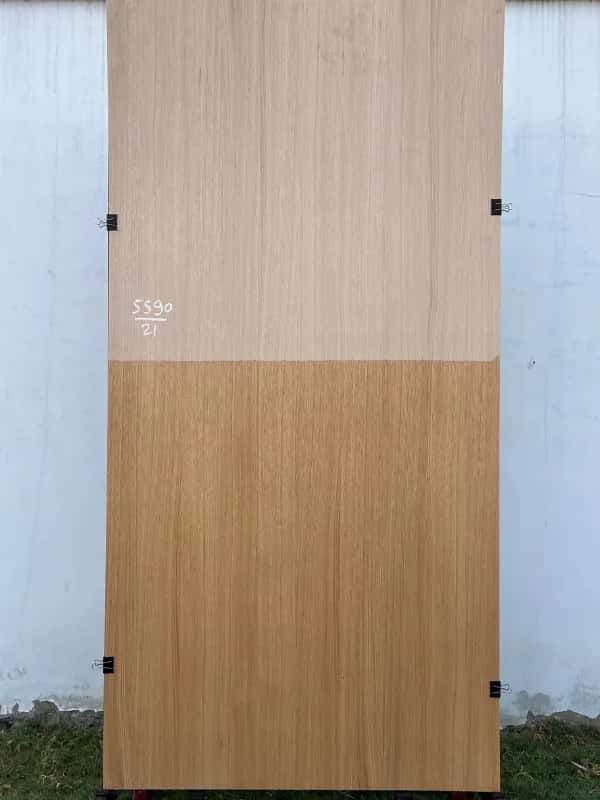
White Oak Veneer
White oak veneer is light, with a neutral tan tone and a straight grain. It suits modern interiors and takes stain and finishes well.
White oak veneer: colour, grain and uses
American Walnut Veneer
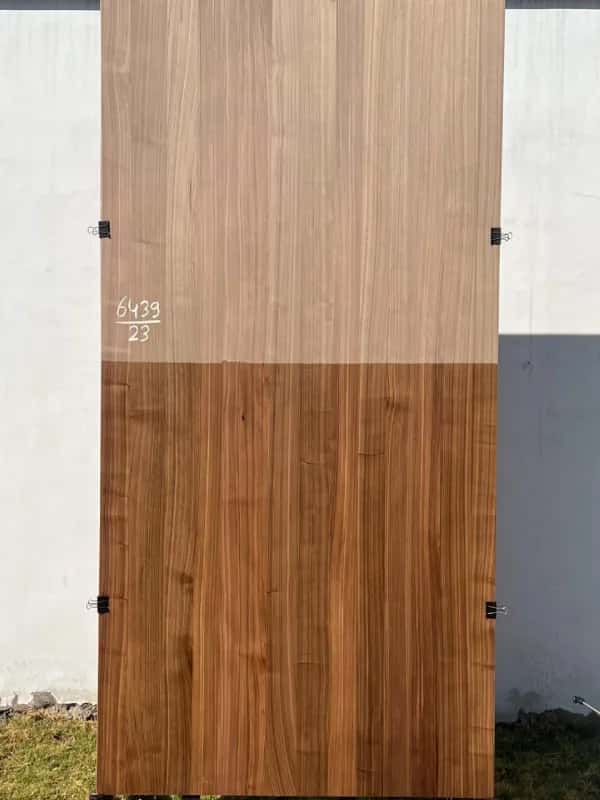
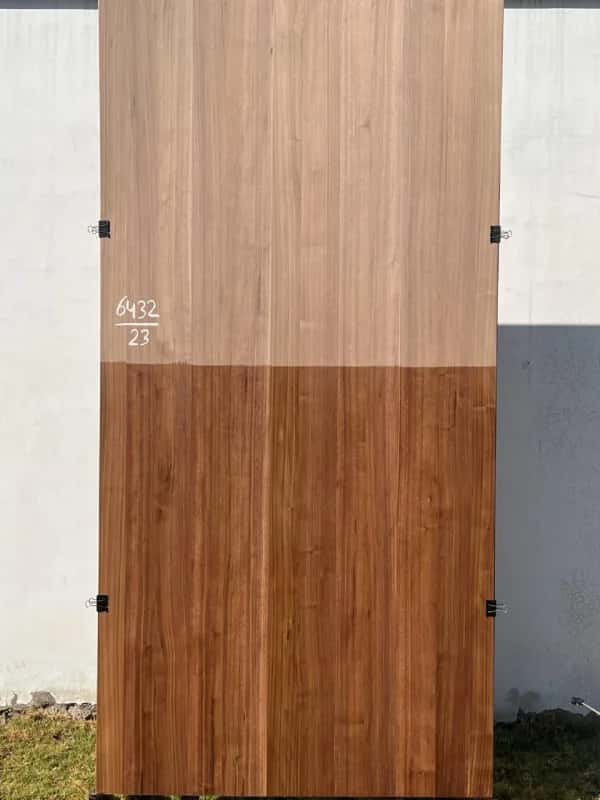
American walnut veneer is a dark brown with a straight, sometimes curly grain. It is used where a rich, dark wood look is wanted.
American walnut veneer: colour, grain and uses
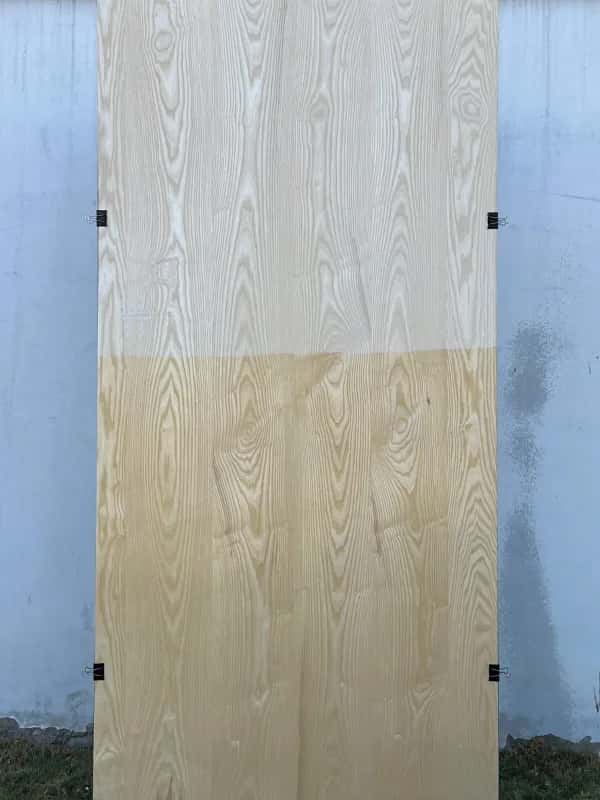
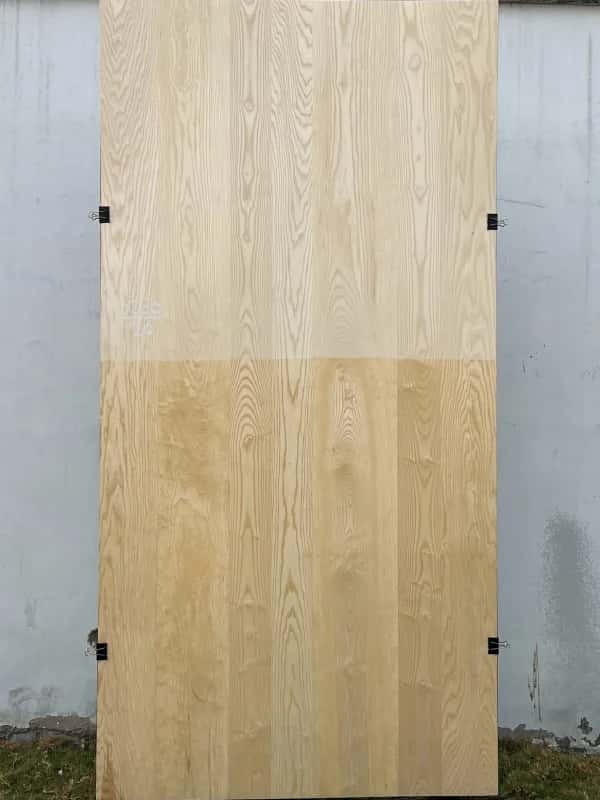
White Ash Veneer
White ash veneer is pale and creamy, with a clear, slightly coarse grain. It gives a light, open look and takes stain and finishes well.
White ash veneer: colour, grain and uses